
Surface Mount PCB Assembly vs. Electromechanical Assembly: What’s the Difference?

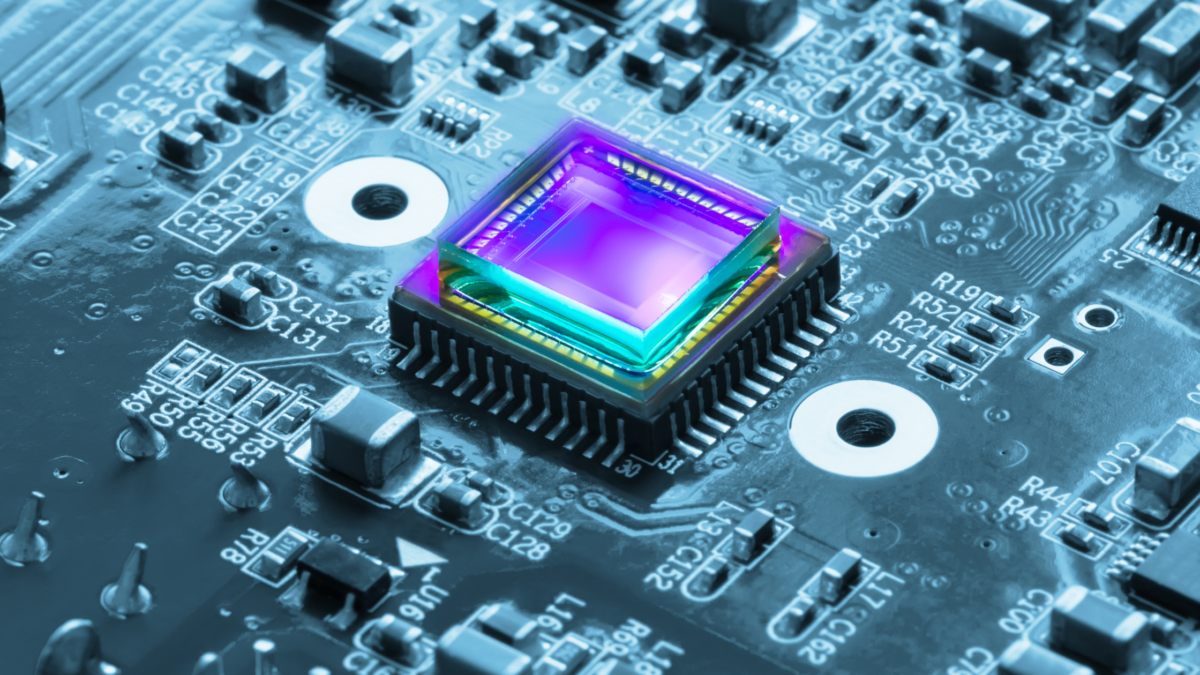
When designing and manufacturing electronic products, choosing the right assembly process is just as important as selecting the right components. Surface mount PCB assembly is the most common method used in today’s electronics, but it is not the only option. Many products also require electromechanical assembly, or even a combination of both processes, depending on their design and application.
Understanding how these assembly methods differ can help engineers, OEMs, and product designers determine the best manufacturing approach for performance, reliability, and cost. Companies like Nova Engineering provide both PCB and electromechanical services, allowing customers to streamline production under one manufacturing partner.
What Is Surface Mount PCB Assembly?
It is the process of placing electronic components directly onto the surface of a printed circuit board (PCB). Unlike traditional through-hole assembly, components do not require leads to pass through drilled holes in the board. Instead, automated pick-and-place equipment positions components with high precision before they are permanently soldered using a reflow oven.
Today, this process is the industry standard for most electronic products because it supports:
- Higher component density
- Faster automated production
- Smaller and lighter PCB designs
- Improved manufacturing consistency
From medical devices and telecommunications equipment to aerospace and industrial controls, surface mount technology enables manufacturers to produce compact, high-performance electronics.
What Is Electromechanical Assembly?
While surface mount PCB assembly focuses on assembling electronic components onto a circuit board, electromechanical assembly goes several steps further. It combines completed circuit boards with mechanical and electrical hardware to create a finished product or subsystem.
Electromechanical assemblies may include:
- Wire harnesses and cable assemblies
- Connectors and switches
- Enclosures and chassis
- Fans, motors, or power supplies
Rather than producing only the PCB, manufacturers integrate multiple components into a complete assembly that is ready for installation or final product integration.
Key Differences Between the Two
Although the two processes often work together, they serve different purposes throughout manufacturing.
Surface mount PCB assembly is centered on building the electronic circuit itself. It involves placing resistors, capacitors, integrated circuits, and other electronic components directly onto the PCB with automated equipment.
Electromechanical focuses on integrating that completed PCB into a larger mechanical system. This process often includes wiring, cable routing, fastening hardware, connectors, and functional testing to ensure every subsystem operates together correctly.
In many modern products, both assembly methods are used during different stages of production.
When Is Each Process the Best Choice?
For most modern electronics, surface mount PCB assembly offers the greatest advantages. Automated production allows manufacturers to place thousands of components quickly while maintaining excellent accuracy and repeatability. This makes it ideal for medium- and high-volume production, as well as compact electronic designs.
Electromechanical assembly becomes important when the finished product requires additional hardware or mechanical integration beyond the PCB itself. Industries such as aerospace, defense, medical equipment, telecommunications, and industrial automation often require both services.
Choosing the right process depends on several factors, including:
- Product complexity
- Environmental requirements
- Production volume
- Mechanical integration needs
Working with an experienced manufacturing partner helps determine the most efficient production strategy for each project.
Why Many Products Use Both
Rather than viewing these processes as competing options, manufacturers increasingly use them together. A circuit board may first go through surface mount PCB assembly, followed by electromechanical assembly that adds wiring, enclosures, connectors, and final system integration.
Nova Engineering supports this complete manufacturing workflow by providing prototype and production PCB assembly, mixed technology assembly, electromechanical assembly, inspection, testing, and box-build capabilities. Keeping these services under one roof can improve communication, shorten lead times, and simplify quality control throughout production.
Choosing the Right Manufacturing Solution
Surface mount PCB assembly has become the preferred method for building today’s compact, high-performance electronic circuits because it offers speed, precision, and efficient use of board space. Electromechanical assembly complements that process by transforming completed circuit boards into fully integrated products that are ready for real-world use.
By understanding the strengths of each manufacturing method, companies can choose the right combination for their application. Whether a project requires advanced PCB assembly, complete electromechanical integration, or both, selecting an experienced manufacturing partner helps ensure reliable performance from prototype through production.