
6 Ways to Reduce PCB Assembly Cost Without Sacrificing Quality

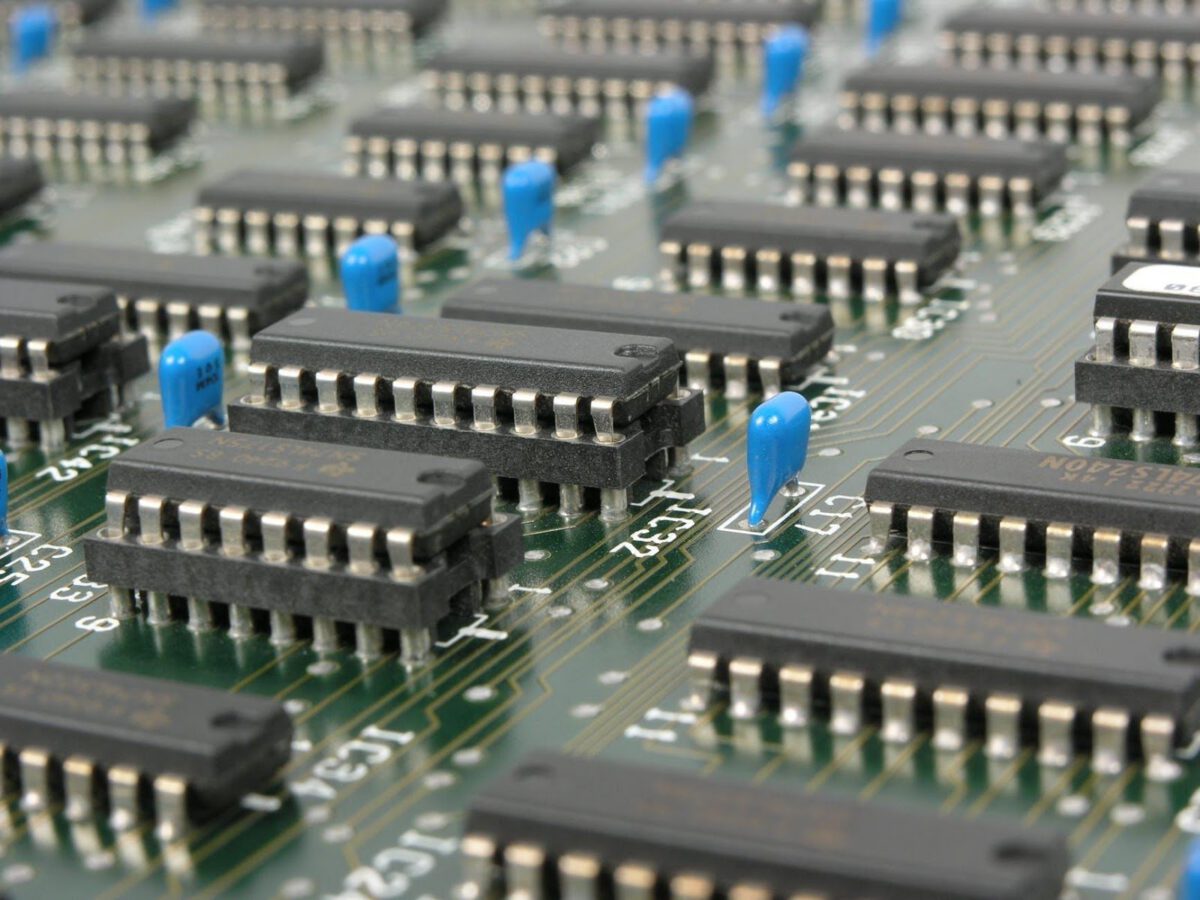
Reducing PCB assembly cost does not have to mean choosing the cheapest parts or cutting corners on quality. In many cases, the decisions made before a board reaches production have the greatest impact on the overall cost of a project. Component selection, documentation, design complexity, sourcing strategy, and production planning can all affect how efficiently a PCB moves from prototype to finished assembly.
For product teams and OEMs, the goal should be to eliminate avoidable expenses while maintaining the performance and reliability the application requires. A thoughtful approach can help control costs, reduce delays, and create a smoother path from initial build to larger production volumes.
1. Review the Design for Manufacturability
One of the best ways to manage PCB assembly cost is to identify potential manufacturing issues before production begins. Design for Manufacturability, or DFM, reviews can help uncover concerns involving pad dimensions, component rotation, spacing, and other details that may affect production.
Catching these issues early can help prevent unnecessary rework, delays, or design revisions later in the process. At Nova Engineering, we use DFM methods during prototype assembly to help customers transition more efficiently from prototype to production.
2. Build Flexibility Into Component Selection
In today’s electronics manufacturing environment, reducing PCB assembly cost is less about simply finding multiple suppliers and more about building flexibility into component selection from the start. When appropriate, identifying approved alternates can help manufacturers respond to supply chain changes without delaying production or compromising the design.
A flexible bill of materials can help reduce the impact of:
- Long component lead times
- Obsolescence or limited availability
- Unexpected pricing changes
- Dependence on a single source
Any substitute still needs to meet the electrical, mechanical, and performance requirements of the design. The lowest-priced component is not always the best choice if it creates reliability issues, qualification delays, or the need for an expensive redesign.
3. Choose the Right Component Sourcing Model
How parts are purchased can significantly influence PCB assembly cost and project management. Some businesses prefer to supply every component themselves, while others want their production partner to manage procurement.
Nova offers three sourcing approaches:
- Turnkey assembly: Nova orders and receives the required components.
- Consigned assembly: The customer supplies the components.
- Partially consigned assembly: The customer supplies certain parts while Nova sources the rest.
Choosing the right model can reduce procurement work and make better use of components a company already has available.
4. Match Production Planning to the Project Stage
A prototype and a mature production run should not always be approached the same way. Early builds are often focused on validating the design and identifying improvements, while established products may offer more opportunities to optimize purchasing and production efficiency. Planning around the actual project stage can help control PCB assembly cost without forcing production decisions too early. Nova supports prototype through high-volume assembly and operates a dedicated prototype line, allowing different projects to be approached according to their production needs.
Panelization can also influence efficiency, but there is no universal configuration that works for every board. Working with the manufacturer before finalizing panel requirements can help ensure the layout is appropriate for the board design and assembly process.
5. Provide Accurate, Complete Documentation
Manufacturing delays are not always caused by the assembly line. Incomplete, outdated, or conflicting project files can create questions before production even begins.
An accurate BOM, fabrication data, pick-and-place files, assembly drawings, and clear revision information can help prevent mistakes. Keeping documentation organized is a simple but important way to reduce avoidable PCB assembly cost and keep production moving.
6. Look Beyond the Lowest Initial Quote
The lowest price per board does not always represent the lowest total PCB assembly cost. Rework, communication problems, incorrect parts, production delays, and quality issues can add expenses that were not reflected in the original quote.
An experienced production partner can help identify potential issues early and provide the appropriate sourcing and production approach for the project. Nova Engineering provides turnkey, consigned, partially consigned, prototype, and production PCB assembly services, giving customers flexibility as their manufacturing needs change.
Build Cost Efficiency Into the Process
The most effective way to manage PCB assembly cost is to consider the entire manufacturing process rather than focusing on a single expense. Better documentation, flexible sourcing, early DFM review, and realistic production planning can all help reduce unnecessary costs while protecting quality.
By addressing these factors early, companies can build a more efficient manufacturing strategy and avoid expensive surprises as a project moves from prototype into production.