
How Components on a Circuit Board Work Together to Power Modern Electronics

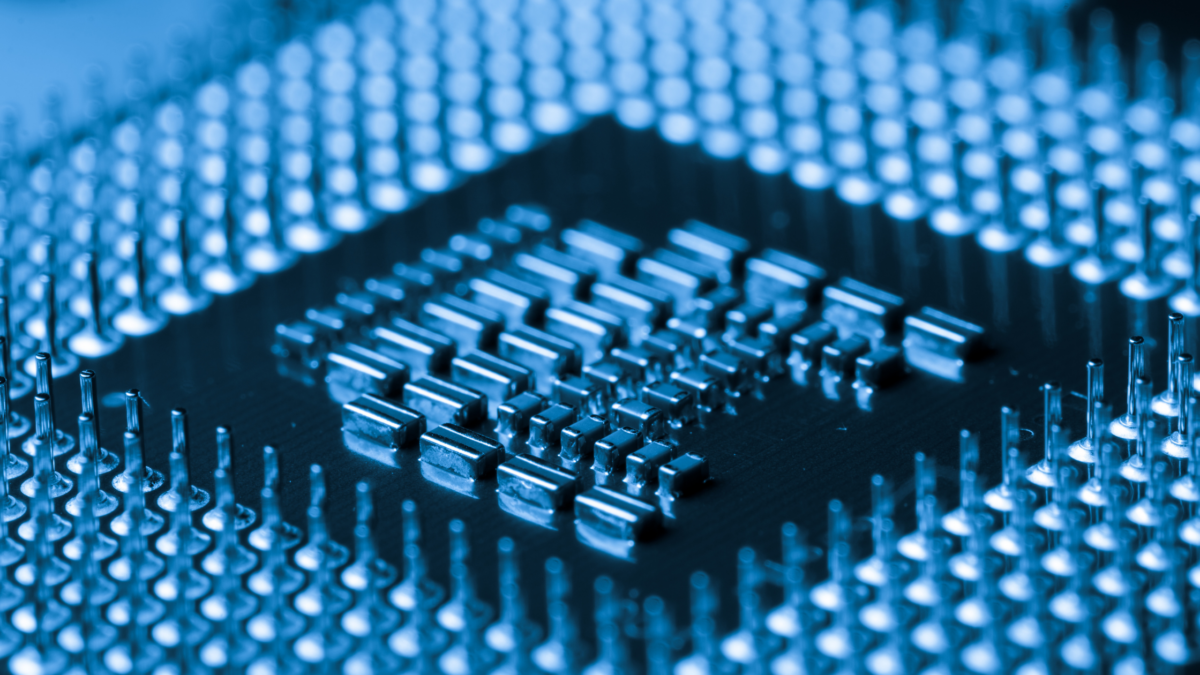
Have you ever thought about how much we rely on electronics every single day? From smartphones to industrial equipment, nearly everything we use depends on components on a circuit board working together seamlessly. Without these carefully designed systems, even the simplest device would not function.
At the core of modern electronics is the printed circuit board, often referred to as a PCB. It is not just a flat surface with parts attached. It is a precisely engineered platform where components interact to control power, process signals, and keep devices running efficiently. Understanding how these components work together helps highlight why quality PCB assembly matters, especially for companies like Nova Engineering that focus on reliability and precision.
Why Each Component Matters
Every PCB is designed with a purpose, and each element plays a specific role. When one piece fails, it can affect the performance of the entire system. That is why properly selected and assembled components on a circuit board are critical for long-term functionality.
Let’s break down some of the most important components and how they contribute to a working circuit.
Resistors: Controlling Electrical Flow
Resistors are one of the most common components on a circuit board. Their job is simple but essential. They regulate the flow of electrical current and help maintain safe voltage levels across the system.
Without resistors, circuits could easily overload, leading to overheating or permanent damage. They ensure that each part of the board receives the correct amount of power, which is especially important in sensitive electronics.
Capacitors: Storing and Releasing Energy
Capacitors act like temporary energy storage units. Among the key components, they store electrical energy and release it when needed.
They help stabilize voltage, filter noise, and support consistent performance. You will find capacitors in almost every electronic device, from consumer products to complex industrial systems.
Inductors: Managing Current and Magnetic Energy
Inductors are another type of passive component that plays a key role in managing electrical flow. These components on a circuit board store energy in a magnetic field when current passes through them.
They are commonly used in power supplies and filtering applications. Inductors help smooth out fluctuations in current and work closely with capacitors to maintain steady operation in circuits.
Transistors: Switching and Amplifying Signals
Transistors are among the most critical components on a circuit board because they act as both switches and amplifiers. They control the flow of electrical signals and allow circuits to perform complex tasks.
There are two primary types used in modern electronics:
- Field Effect Transistors (FET)
- Bipolar Junction Transistors (BJT)
These small but powerful components are essential for processing signals in everything from computers to communication devices.
Diodes: Directing Electrical Flow
Diodes ensure that electricity flows in only one direction. They protect circuits from damage caused by reverse current.
They are commonly used in power conversion, signal demodulation, and protection circuits. Without diodes, many electronic systems would be far less stable and reliable.
How It All Comes Together
While each part has its own role, the true power of a PCB comes from how all the components on a circuit board work together. Resistors regulate current, capacitors stabilize voltage, inductors manage energy flow, transistors process signals, and diodes control direction.
This level of coordination requires careful design and precise assembly. That is where experienced manufacturers like Nova Engineering make a difference. By ensuring that every component is correctly placed and properly integrated, they help create circuit boards that perform reliably in real-world applications.
The Bigger Picture for Modern Electronics
From everyday consumer devices to advanced industrial systems, the performance of electronics depends on the quality of the components on a circuit board and how well they are assembled. Even the smallest detail can impact overall functionality.
As technology continues to evolve, the demand for high-quality PCB assembly will only grow. Understanding how these components work together not only builds appreciation for modern electronics but also highlights the importance of choosing the right manufacturing partner.